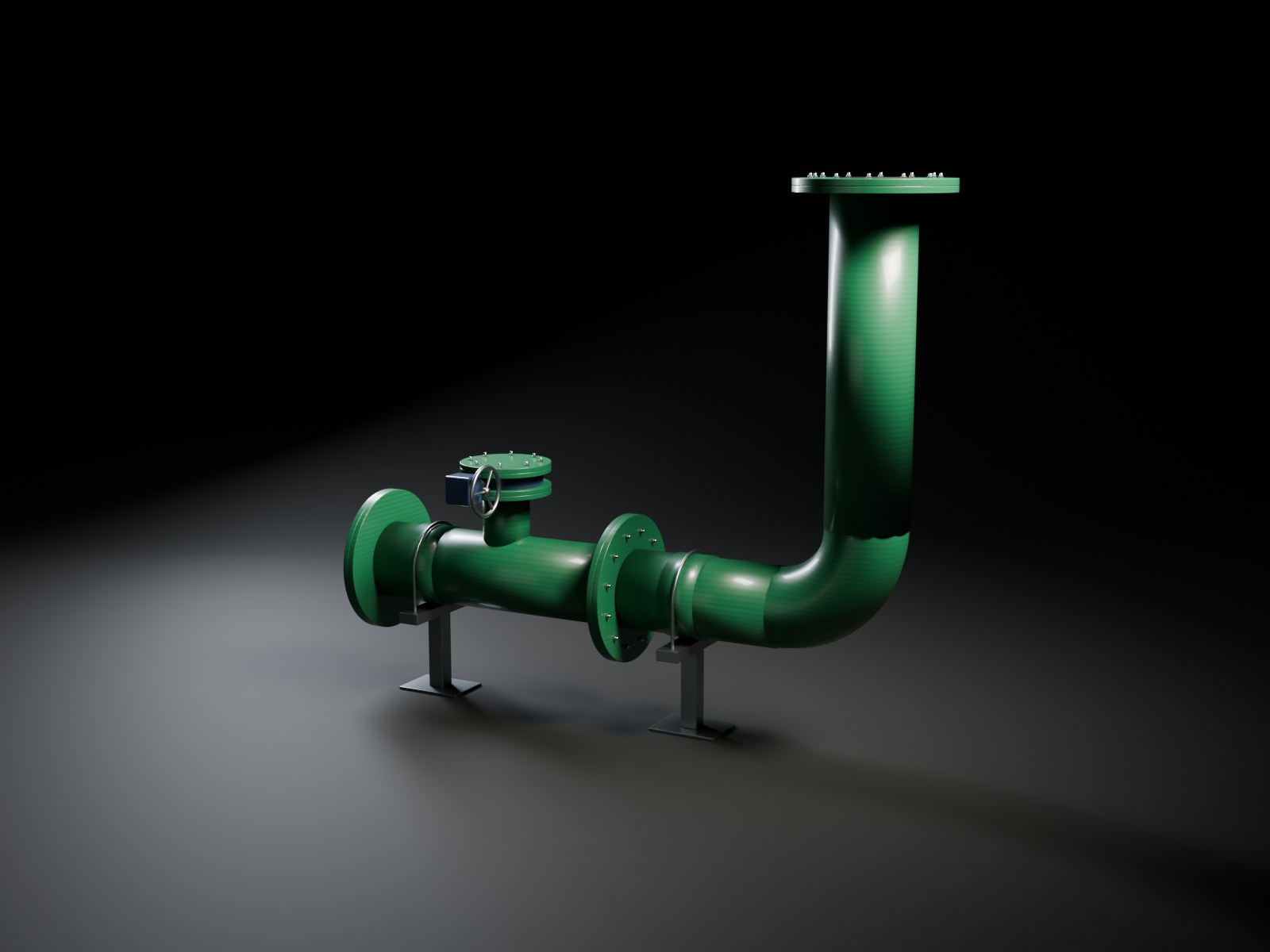
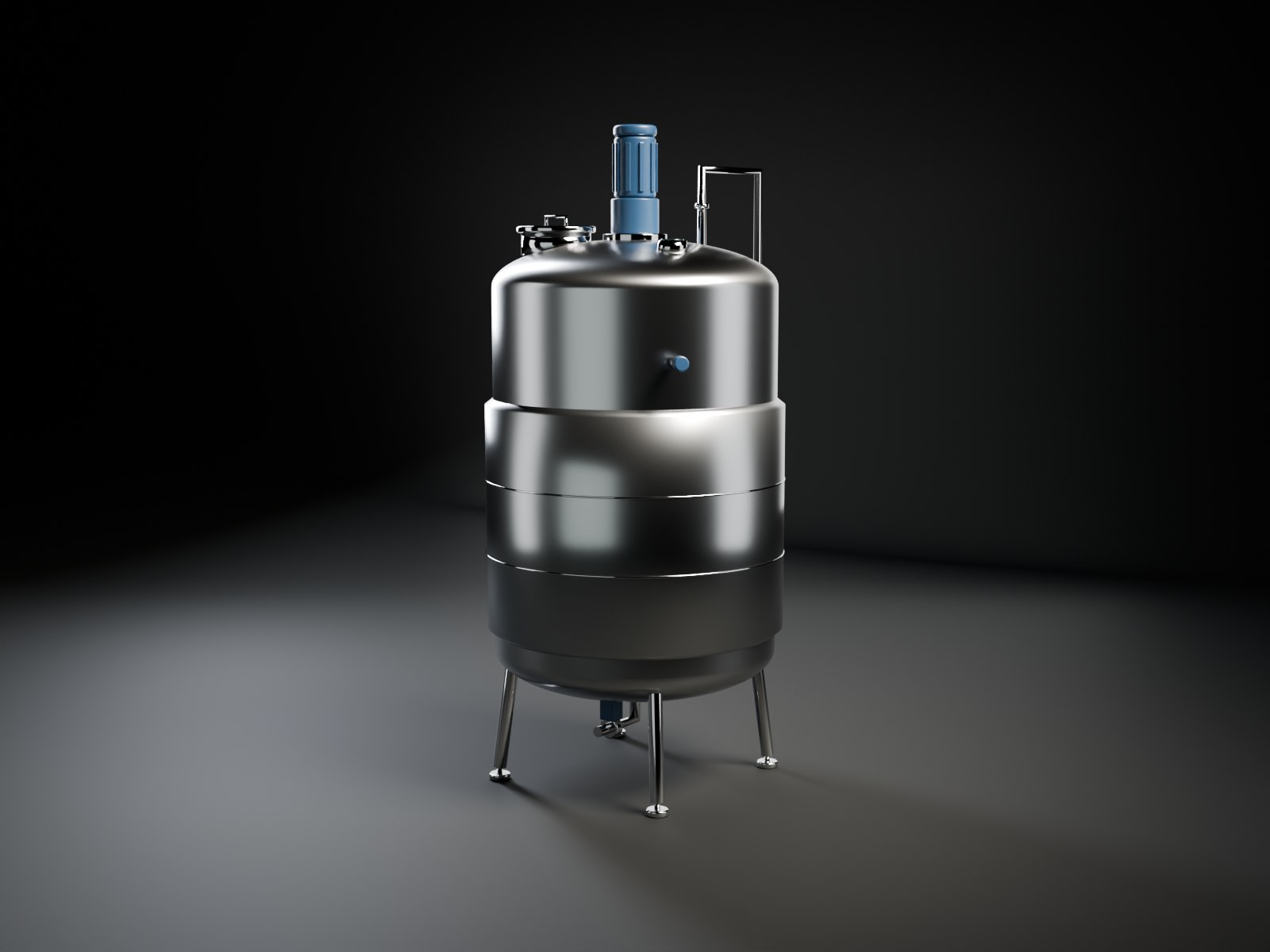
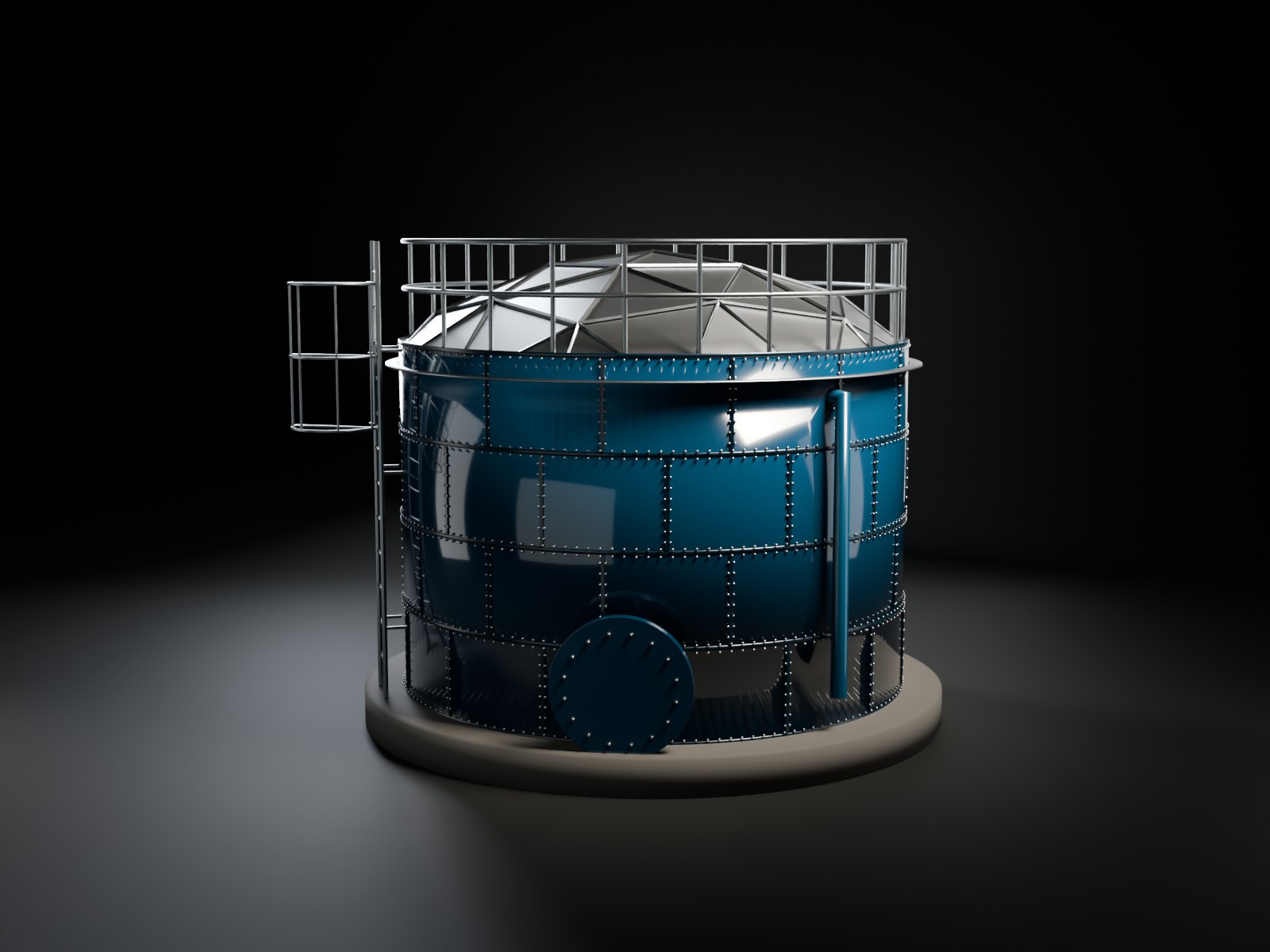
Shaktinova Projects engineers FRP, glass-lined steel and stainless solutions, and delivers them through a
qualified, vendor-neutral manufacturing network.
Engineering performance through material science, design integrity and application expertise.Engineering performance through material science, design integrity and application expertise.
We start from what the equipment has to hold and the conditions it faces. From there we choose the right
material, the right design and the right manufacturing partner. Because we're asset-light and vendor-neutral,
the recommendation follows the duty, not a factory's order book.
13+
Years of engineering and project experience
03
Material families: FRP, glass-lined steel, stainless
01
Point of coordination, from concept engineering to delivery
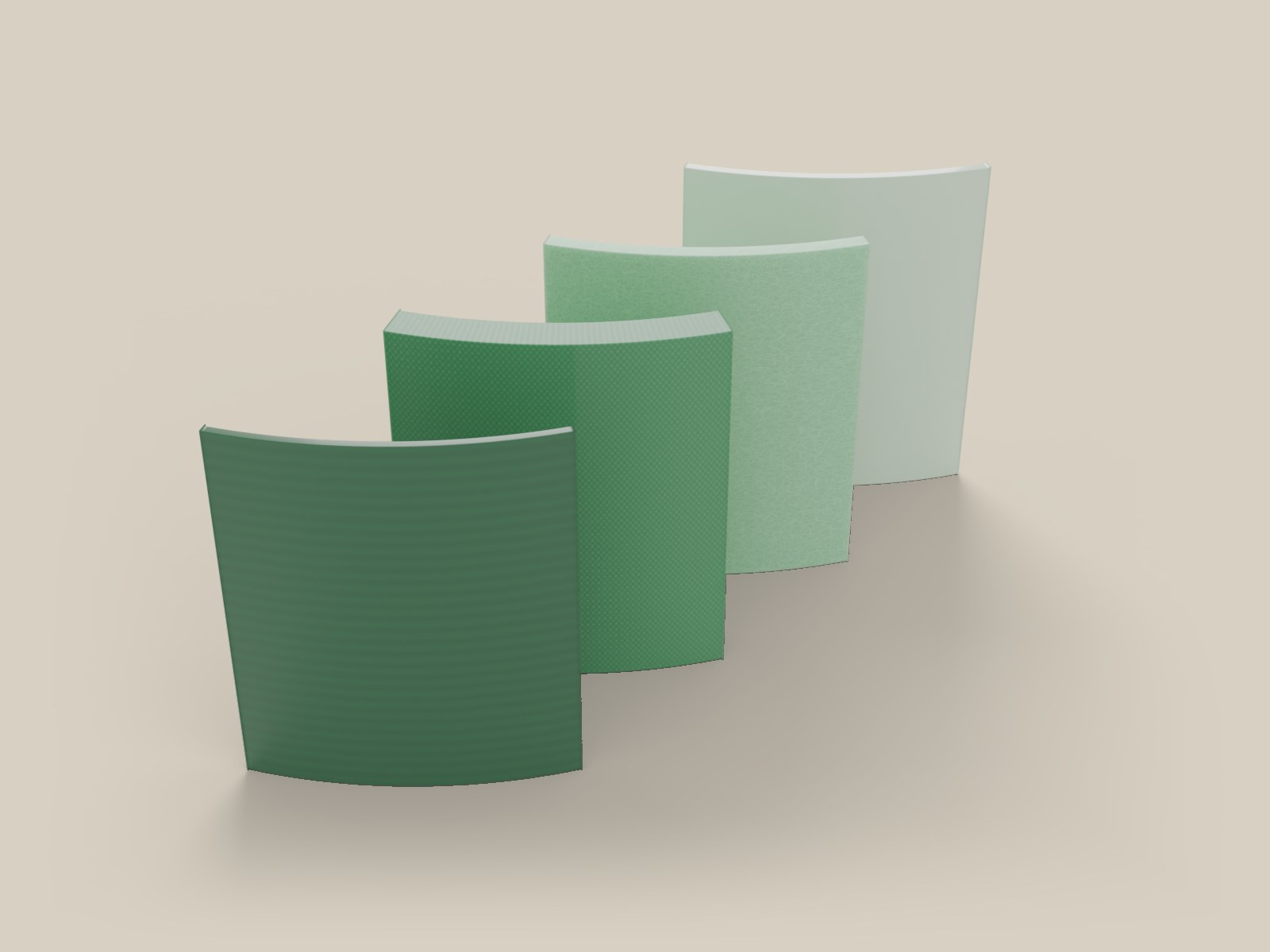
Select a layer to see what it does. Separate the layers to see how each wall is put together.
← Inside · contents
Outside · environment →
Layer 01 / 04 · Faces the contents
Inner surface
A resin-rich layer, usually reinforced with a thin surface veil. It is the first defence against chemical attack and gives a smooth, cleanable face.
Specification
To be confirmed
Layer 02 / 04 · Backs up the surface
Corrosion barrier
Chopped-strand reinforcement in the same chemical-resistant resin. It adds thickness so that small surface damage does not reach the structure.
Specification
To be confirmed
Layer 03 / 04 · Carries the load
Structural layer
Continuous glass fibre, filament-wound or hand-laid, sized to carry the pressure, loads and handling stresses. Thickness is set by design calculation, not by rule of thumb.
Specification
To be confirmed
Layer 04 / 04 · Faces the environment
Exterior finish
A resin topcoat that can include UV inhibitors, pigment or fire-retardant additives, depending on where the equipment sits.
Specification
To be confirmed
A typical FRP laminate for corrosive service. The actual layers and resins depend on the duty.
← Inside · contents
Outside · environment →
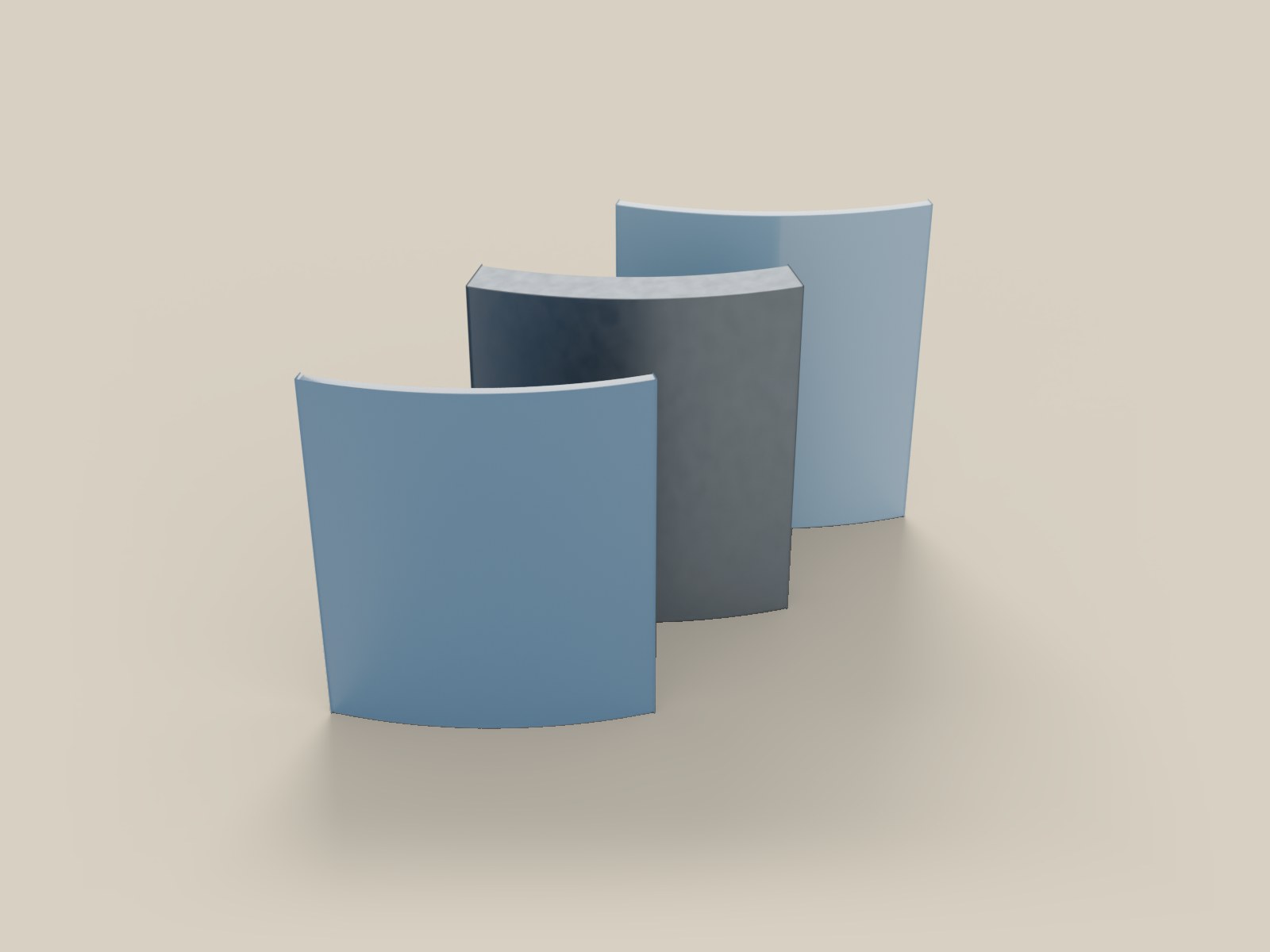
Layer 01 / 03 · Faces the contents
Inner glass coat
A glass coating fused to the steel during firing. It is hard, smooth and inert, and resists sticking and staining.
Specification
To be confirmed
Layer 02 / 03 · Carries the load
Steel substrate
Steel sheet chosen and sized for the tank’s diameter, height, contents and site loads such as wind or seismic.
Specification
To be confirmed
Layer 03 / 03 · Faces the environment
Outer glass coat
Coating on the outside face. It protects the steel from weather and can come in a choice of colour.
Specification
To be confirmed
A typical glass-fused-to-steel panel section. Coating build and steel grade depend on the specification.
← Inside · contents
Outside · environment →
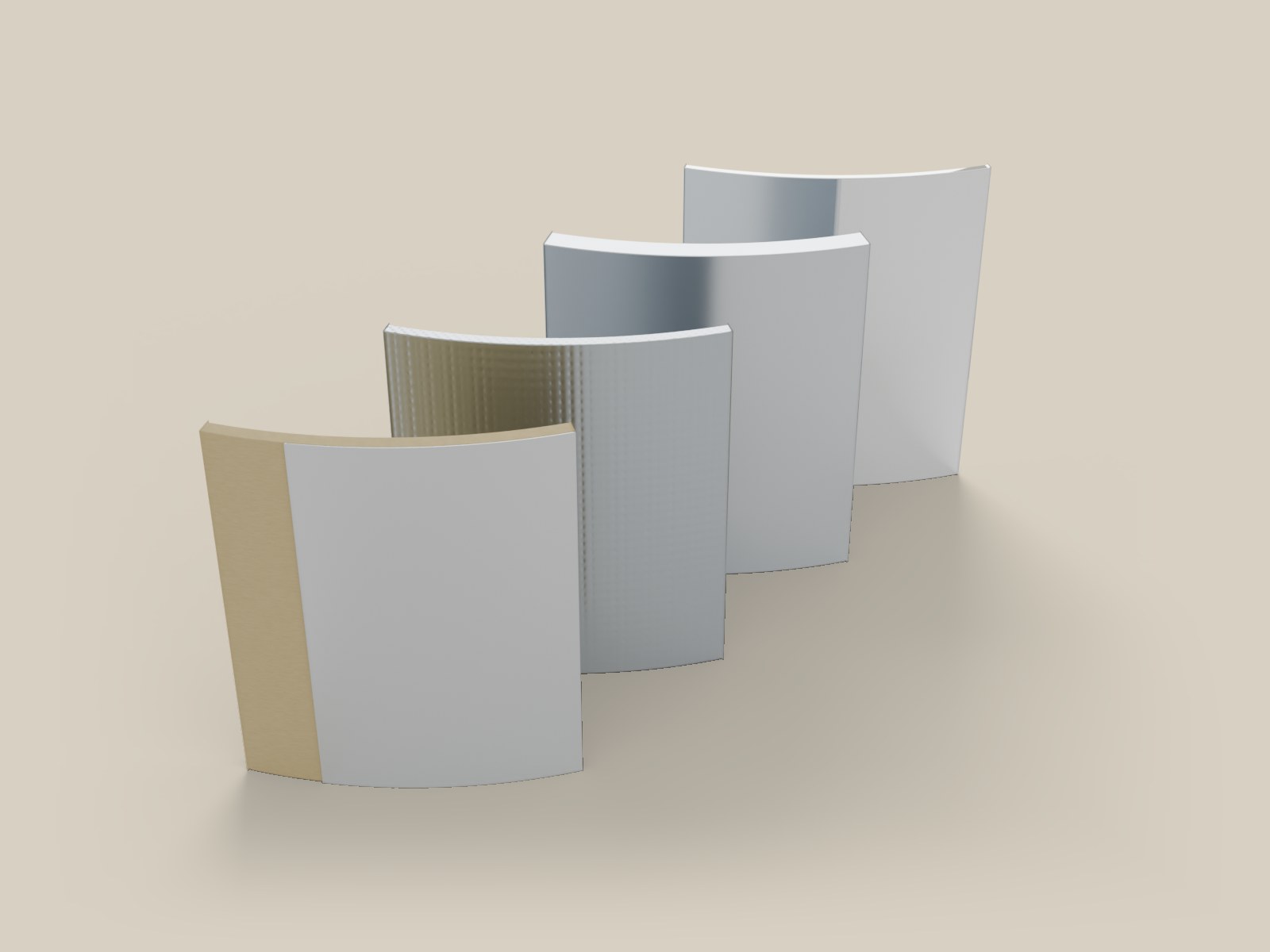
Layer 01 / 04 · Faces the contents
Product-contact surface
The inside face of the shell, finished smooth so it drains fully and cleans easily. Surface finish and weld quality are specified to suit the product.
Specification
To be confirmed
Layer 02 / 04 · Carries the load
Stainless shell
The pressure-bearing wall. The grade is chosen for the product and the cleaning chemicals, and the thickness by design for the pressure and loads.
Specification
To be confirmed
Layer 03 / 04 · Controls temperature
Heating / cooling jacket
An optional jacket around the shell that carries steam, hot water or coolant to hold the product at process temperature.
Specification
To be confirmed
Layer 04 / 04 · Faces the environment
Insulation & cladding
Insulation holds the temperature and protects people from hot surfaces. An outer stainless cladding keeps it clean and dry.
Specification
To be confirmed
A typical jacketed, insulated process vessel wall. Many vessels use only the inner shell.
[04] Why it fits
Duty first, material second
Every property comes with conditions. Here's where each material is usually considered, and what to check before deciding.